Safe Basics: Who Needs A Safe And What To Store in It
Dec 04, 2023
What is a safe?
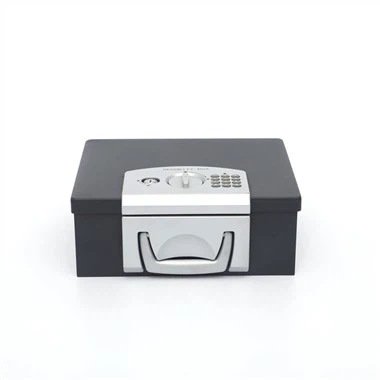
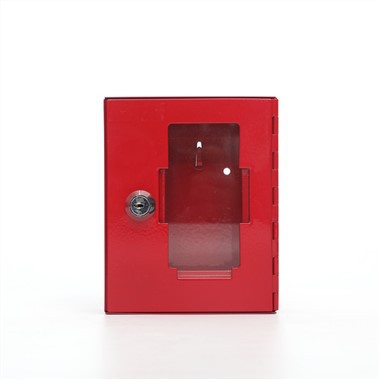
A safe deposit box is a small security container, usually stored in a bank. These boxes range in size from 2 "high x5" wide to 10 "high x15" wide and even larger. Rental fees vary depending on bank and box size, but typically start at around $25 per year. To open a box, you usually need a key, and banks usually use a two-key system, in which the bank keeps a spare key that corresponds to your key. You can access your safe deposit box only during the bank's business hours.
Is the safe a wise choice?
Safe deposit boxes can provide safe and secure storage for valuables and important documents. This type of storage can be very useful if you prefer not to keep your documents digitally, or if you have some valuables that can't be safely kept at home. In addition, if you move a lot or are prone to losing important items, a safe is a helpful option.
However, safe deposit boxes also have some disadvantages. First of all, its contents are not protected by FDIC (Federal Deposit Insurance Corporation) insurance, and although it has a certain safety, it cannot guarantee disaster prevention. In addition, you can only access the safe during the bank's business hours, and only if you continue to pay the rent. Extra care is needed for some items that should not be kept in a safe, such as wills or the only copy of important documents.
Overall, whether you choose to use a safe depends on whether you can find an available safe. In recent years, fewer and fewer banks have offered this service, including some major banks like Chase Bank and Capital One Bank. Despite the higher cost of building and maintaining safes, some banks, such as Wells Fargo and Bank of America, still offer the service. Therefore, it is best to find out if a bank in your area offers a safe deposit box before deciding.